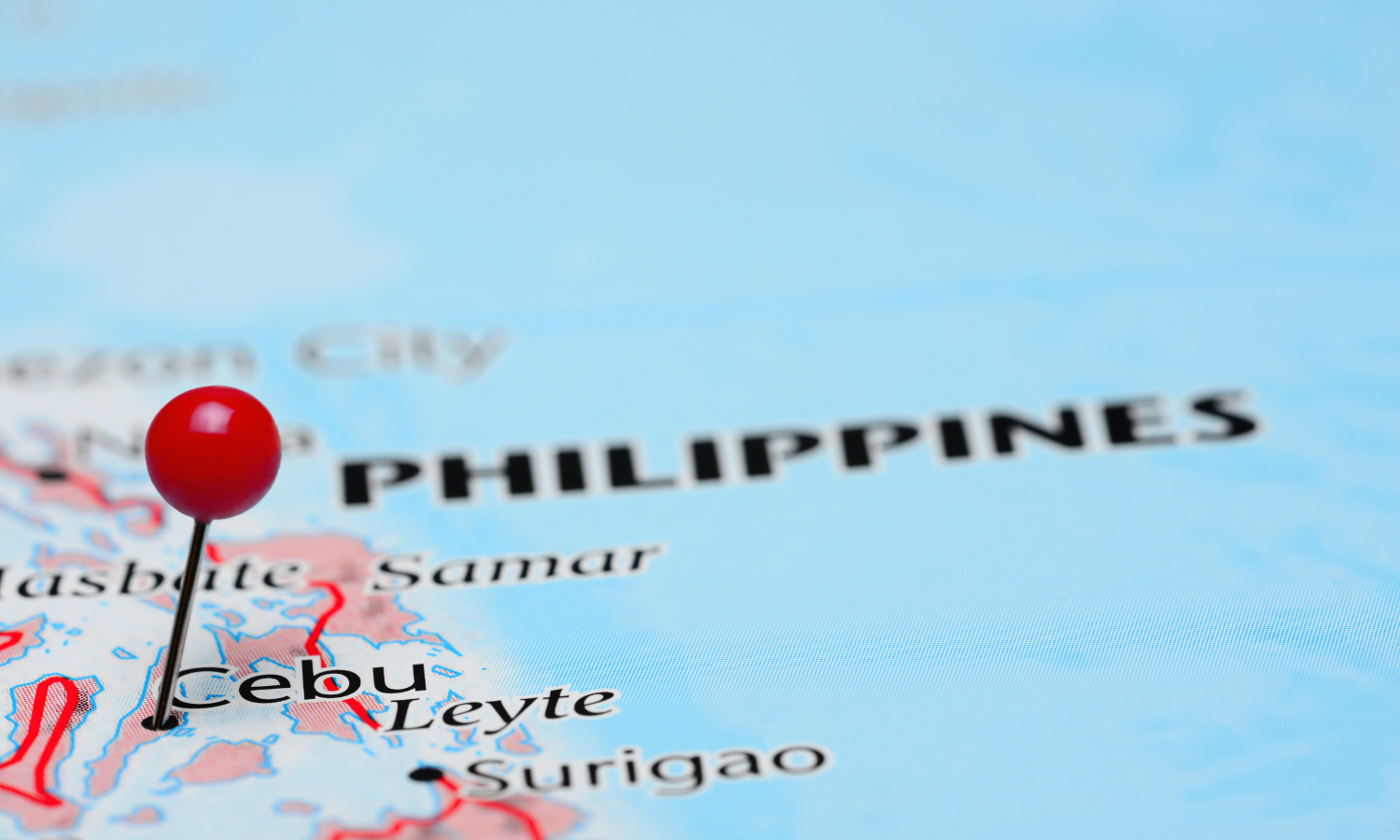
Cebu City which is fondly known as the Queen City of the South is a place where history, culture, and modern life blend into one unforgettable experience. It’s a city that carries the soul of the Filipino people: resilient, vibrant, and deeply rooted in tradition and community. From tales of conquest to stories of survival, Cebu’s narrative runs through its streets, festivals, food, and people. As you read through this guide, allow me to walk you through what it’s really like to live in the city of Sugbo (Cebu in Bisaya), a place I’ve called home for nearly a decade.
Cebu City traces its recorded history to 1521 when Portuguese explorer Ferdinand Magellan arrived on its shores. This moment left a long-lasting imprint on the city and the country as a whole. Today, in areas like Colon Street which is the oldest street in the Philippines, you’ll find monuments and markers retelling the story of that first encounter: the struggle for territory, the birth of trade, and the shaping of early Filipino identity. Walking through these heritage sites feels like stepping into a living museum. Old houses, Spanish-era structures, and small ancestral museums sit side-by-side with modern cafés, schools, and shops. It’s an everyday reminder that Cebu has always been a meeting place of cultures, ideas, and histories.
Cebu is also home to one of the country’s most iconic festivals: Sinulog. Every January, the city pulses with life as roughly a million devotees, tourists, and revelers gather for a grand celebration full of street dancing, music, and color. For locals, however, this celebration is more than just a festive attraction. It is considered to be deeply spiritual and centers around long-held traditions of Catholic faith and devotion. Cebu has been a hub for image-and-saint-centered worship for generations, something that remains a strong cultural pillar today. Places like Simala Shrine draw thousands of visitors from all walks of life, each coming with their own stories, prayers, and hopes. Whether you share this belief or simply want to witness the devotion of the Cebuanos, these cultural expressions are an integral part of what shapes daily life in the city.
As someone who has lived in Cebu for nearly ten years, I’ve witnessed firsthand how quickly the city has transformed. New roads, bridges, business districts, and residential developments have risen, signaling progress even in the midst of political controversies and corruption concerns that often cloud local governance. Despite these challenges, Cebu’s growth has been undeniable, ambitious, fast-paced and full of potential. For a long time, I admired the direction the city was heading: more opportunities, more accessible public services, improved transportation, and a booming economy that attracted both locals and foreigners.
But the recent typhoon, locally called Tino, was a humbling reminder that rapid development can come with vulnerabilities. Overnight, the storm exposed weak infrastructure and raised questions about the city’s preparedness for natural disasters. It was a bittersweet moment seeing how far Cebu had come and how far it still needs to go.
On the other hand, despite the storms, setbacks, and growing pains, what makes Cebu City truly special is its people. Cebuanos are warm, helpful, and resilient. There’s a sense of community here that shows up in times of need: neighbors helping neighbors, strangers offering assistance, and the city rallying together whenever adversity strikes. This is something I have experienced and observed, even during the years of the COVID crisis that my family and I endured.
Like every city, Cebu has its pros and cons. It’s a place of beauty and complexity, rich in culture, shaped by history, fueled by progress, yet still vulnerable to the challenges of modernization and nature. But if there’s one thing Cebu stands out for, it’s the way its people show up for one another. Whether in good times or in moments of crisis, the heart of Cebu beats strongest when its community comes together. If you choose to live here, you won’t just find a city – you’ll find a home.








 Interviews7 years ago
 Devotionals7 years ago
 Interviews3 years ago
 Devotionals6 years ago
 Devotionals6 years ago
 Events8 years ago
 Devotionals2 years ago
 Quotes6 years ago